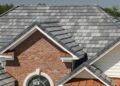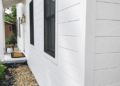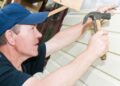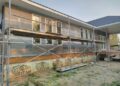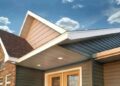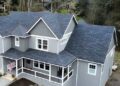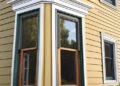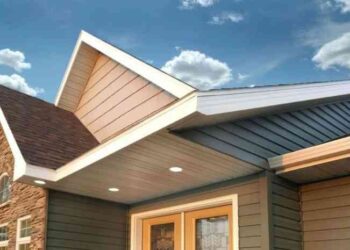

Fascia siding, a key element in construction, not only adds structural integrity but also enhances the visual appeal of any building. From materials to design options, this guide delves into the world of fascia siding with expert insights and practical tips.
As we explore the various facets of fascia siding, readers will gain a deeper understanding of its importance and the considerations involved in its installation and maintenance.
Overview of Fascia Siding
Fascia siding is a crucial component of a building's exterior that serves both functional and aesthetic purposes. It is the horizontal board that runs along the edge of the roof, connecting the roof to the outer walls of the structure.
The primary function of fascia siding is to protect the roof and the interior of the building from water damage by directing rainwater away from the roof and into the gutters.
Materials Used for Fascia Siding
- Wood: Traditional and aesthetically pleasing, but requires regular maintenance such as painting and sealing.
- Vinyl: Low maintenance, affordable, and comes in various colors, but may crack or fade over time.
- Aluminum: Durable, resistant to insects and weather, but can dent easily.
- Fiber Cement: Resistant to rot, pests, and fire, but may be more expensive to install.
Pros and Cons of Various Fascia Siding Materials
- Wood:
- Pros: Natural appearance, easy to work with, can be painted.
- Cons: Prone to rot, requires regular maintenance, may be affected by insects.
- Vinyl:
- Pros: Low maintenance, affordable, available in various colors.
- Cons: Prone to cracking or fading over time.
- Aluminum:
- Pros: Durable, weather-resistant, insect-resistant.
- Cons: Prone to denting, may require repainting over time.
- Fiber Cement:
- Pros: Resistant to rot, pests, fire-resistant.
- Cons: More expensive, heavier to install, specialized installation may be required.
Installation of Fascia Siding
Installing fascia siding is a crucial part of maintaining the aesthetics and structural integrity of your home. Here is a step-by-step guide to help you with the installation process.
Step-by-Step Guide for Installing Fascia Siding:
- Begin by measuring the length of the fascia board needed for each section of your roof. Cut the fascia board to the appropriate size using a saw.
- Attach the fascia board to the rafter tails using galvanized nails or screws. Make sure to leave a small gap between the fascia board and the roof to allow for expansion and contraction.
- Install a drip edge along the bottom edge of the fascia board to prevent water from seeping behind the siding.
- Next, cut the fascia siding to fit the length of the fascia board. Secure the siding in place using nails or screws, making sure to overlap each piece slightly to create a seamless look.
- Continue this process for the remaining sections of the roof, making sure to align the siding properly and maintain a consistent gap between each piece.
Tips for Ensuring a Seamless Installation of Fascia Siding:
- Take accurate measurements and double-check them before cutting any materials to avoid wastage.
- Use a level to ensure that the fascia board and siding are installed straight and parallel to the roofline.
- Seal all joints and edges with caulk to prevent water infiltration and prolong the lifespan of the siding.
- Consider painting or staining the fascia siding before installation to ensure complete coverage and protection against the elements.
Importance of Proper Maintenance Post-Installation:
Proper maintenance of fascia siding is essential to prevent issues such as rot, mold, and water damage. Regularly inspect the siding for any signs of wear or damage, and promptly address any issues to avoid costly repairs in the future.
Cleaning the siding periodically and repainting or restaining as needed will help maintain its appearance and protect it from the elements.
Design Options for Fascia Siding
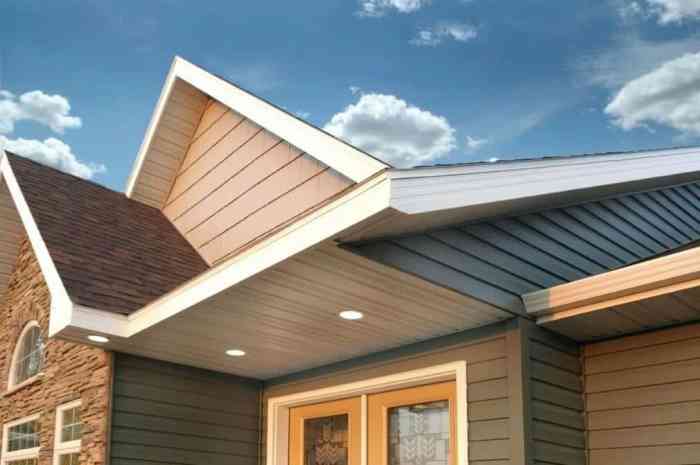
When it comes to fascia siding, there are various design options available that can significantly enhance the overall aesthetic of a building. From different styles to finishes, as well as color choices, each element plays a crucial role in the curb appeal of a property.
Styles and Finishes
- Wood Grain: Mimics the look of real wood, adding a natural and rustic charm to the building.
- Smooth Finish: Offers a sleek and modern appearance, perfect for contemporary designs.
- Beaded: Features a subtle groove pattern that adds texture and dimension to the fascia.
Enhancing Aesthetic Appeal
- Contrast: Choosing a contrasting color for the fascia siding can make it stand out and complement the overall design of the building.
- Trim Accents: Adding trim accents in a different finish or color can create visual interest and highlight architectural features.
Color Options and Curb Appeal
- Neutral Tones: Neutral colors like white, beige, or gray offer a timeless and classic look, suitable for a wide range of architectural styles.
- Bold Hues: Opting for bold colors such as navy blue, red, or forest green can make a statement and add personality to the property.
- Earth Tones: Earthy shades like brown or terracotta blend well with nature and can create a warm and inviting atmosphere.
Maintenance and Repair of Fascia Siding
Proper maintenance and timely repairs are essential to prolong the lifespan of fascia siding and keep your home looking its best.
Best Practices for Maintaining Fascia Siding
- Regularly inspect the fascia for signs of damage, such as cracks, rot, or peeling paint.
- Keep the fascia clean by washing it with a mild detergent and water to prevent dirt buildup.
- Trim back overhanging branches to prevent them from rubbing against the fascia and causing damage.
- Repaint the fascia when the paint starts to fade or peel to protect it from the elements.
Common Issues and How to Address Them
- Rotting: Replace any rotted sections of fascia promptly to prevent further damage to the structure of your home.
- Pest Infestation: Use pest-resistant materials and treat the fascia with insecticides to deter pests from nesting.
- Water Damage: Ensure proper drainage and fix any leaks to prevent water from seeping behind the fascia and causing rot.
Guide for Repairing Damaged Fascia Siding
- Remove the damaged section of fascia by carefully prying it off with a crowbar.
- Cut a replacement piece to size and secure it in place with nails or screws.
- Seal the seams with caulk to prevent water infiltration and ensure a seamless finish.
Final Wrap-Up
In conclusion, fascia siding stands as a crucial component in both the functionality and aesthetics of a structure. By following the guidelines Artikeld in this guide, you can ensure that your fascia siding remains not only durable but also visually striking for years to come.
Questions Often Asked
What are the benefits of fascia siding?
Fascia siding provides protection to the roof and eaves, enhances the building's appearance, and helps prevent water damage.
How often should fascia siding be maintained?
Regular maintenance is recommended at least once a year to check for any issues and ensure longevity.
Can fascia siding be painted in different colors?
Yes, fascia siding can be painted in various colors to match the overall aesthetic of the building.