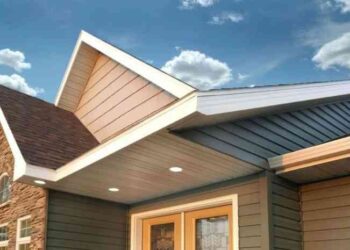

Delve into the world of Dayton siding with this comprehensive guide that covers everything from types of materials to installation practices. Whether you're a homeowner looking to upgrade or a contractor seeking insights, this article will provide valuable information to enhance your understanding.
Types of Siding in Dayton
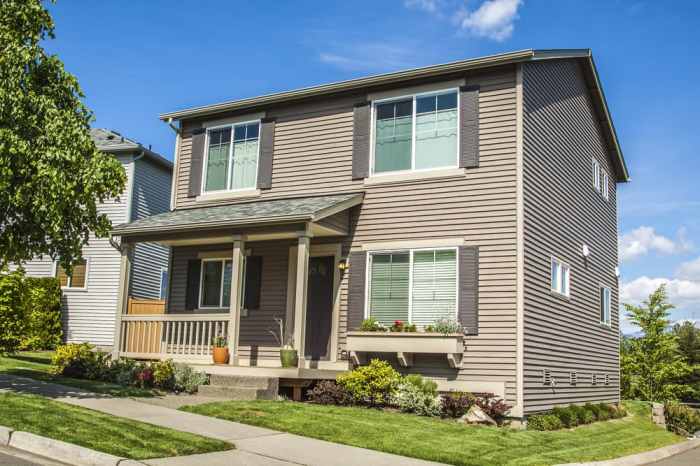
In Dayton, there are several types of siding materials available for residential and commercial buildings. Each type has its own set of characteristics, advantages, and disadvantages that cater to different needs and preferences.
Vinyl Siding
Vinyl siding is one of the most popular choices in Dayton due to its affordability and low maintenance. It comes in a variety of colors and styles, making it versatile for different architectural designs. However, vinyl siding may crack or fade over time, and it is not as durable as some other materials.
Fiber Cement Siding
Fiber cement siding is known for its durability and resistance to fire, insects, and rot. It can mimic the look of wood or masonry without the maintenance requirements. However, fiber cement siding is heavier and more expensive than vinyl siding.
Wood Siding
Wood siding offers a natural and classic look to buildings in Dayton. It is environmentally friendly and can be easily painted or stained to match the desired aesthetic. However, wood siding requires regular maintenance to prevent rot, pests, and weather damage.
Aluminum Siding
Aluminum siding is lightweight, durable, and resistant to fire. It is also low maintenance and can be painted in various colors. However, aluminum siding may dent easily and is prone to fading over time.
Brick Siding
Brick siding provides a timeless and elegant appearance to buildings in Dayton. It is extremely durable, weather-resistant, and offers excellent insulation properties. However, brick siding is one of the more expensive options and requires professional installation.
Stone Veneer Siding
Stone veneer siding gives buildings a luxurious and sophisticated look without the weight and cost of natural stone. It is easy to install and comes in various styles and colors. However, stone veneer siding may chip or crack over time if not properly maintained.
Popular Siding Materials in Dayton
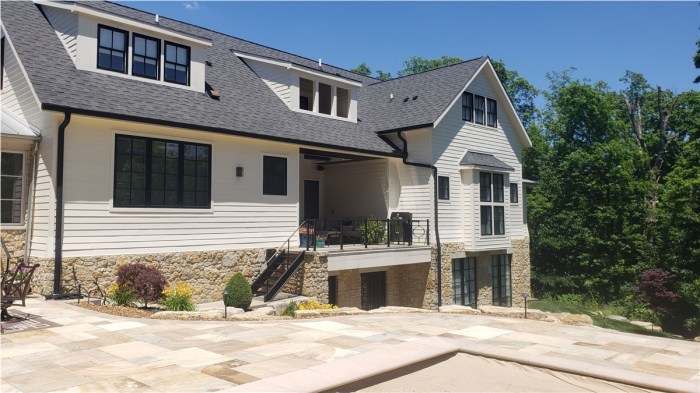
When it comes to siding materials in Dayton, several options are commonly used. Each material comes with its own set of benefits and considerations, so let's take a closer look at the most popular choices.
Vinyl Siding
Vinyl siding is a popular choice in Dayton due to its affordability and low maintenance requirements. It is durable, resistant to rot and insect damage, and comes in a variety of colors and styles. However, it may crack or fade over time, especially in extreme weather conditions.
Wood Siding
Wood siding is known for its natural beauty and timeless appeal. While it offers a classic look, wood siding requires regular maintenance such as painting or staining to protect it from moisture and pests. It is important to properly maintain wood siding to prevent rot or decay.
Fiber Cement Siding
Fiber cement siding is a durable and versatile option that can mimic the look of wood, stucco, or stone. It is resistant to fire, moisture, and pests, making it a low-maintenance choice for many homeowners. However, it can be heavier and more expensive than other siding materials.
Metal Siding
Metal siding, such as steel or aluminum, is known for its strength and longevity. It is resistant to fire, rot, and insect damage, making it a durable option for Dayton's varying weather conditions. Metal siding is low maintenance and can be painted in a variety of colors to suit different aesthetics.
Best Practices for Siding Installation
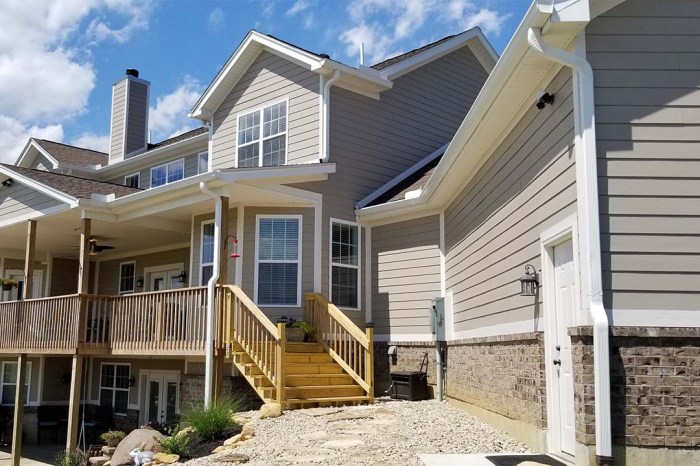
When it comes to installing siding on a residential property in Dayton, following best practices is crucial to ensure a proper and long-lasting installation. Hiring professional contractors can also make a significant difference in the outcome of the project.
Steps for Siding Installation
- Prepare the surface: Make sure the walls are clean, dry, and free of any debris before starting the installation.
- Measure and cut the siding: Accurate measurements are essential to ensure a proper fit. Use the right tools to cut the siding to the correct size.
- Install the starter strip: Begin by installing the starter strip at the bottom of the wall to provide a level base for the siding.
- Attach the siding panels: Follow the manufacturer's instructions to properly attach the siding panels to the wall, ensuring they are securely fastened.
- Finish with trim and accessories: Complete the installation by adding trim pieces and accessories to give the siding a polished look.
Tips for a Proper and Long-Lasting Installation
- Choose high-quality materials: Opt for durable siding materials that can withstand the local climate and provide long-term protection.
- Properly seal seams and joints: Ensure that all seams and joints are sealed correctly to prevent water infiltration and potential damage.
- Regular maintenance: Perform routine inspections and maintenance to keep the siding in good condition and extend its lifespan.
- Avoid common installation mistakes: Be mindful of common errors such as improper nailing, incorrect spacing, or inadequate flashing.
Importance of Hiring Professional Contractors
- Expertise and experience: Professional contractors have the knowledge and skills to ensure a proper installation that meets industry standards.
- Time and cost efficiency: Hiring professionals can save time and money in the long run by avoiding mistakes and ensuring a high-quality installation.
- Warranty and guarantee: Many professional contractors offer warranties on their work, providing peace of mind and protection for homeowners.
Siding Maintenance Tips for Dayton Residents
Maintaining your siding is crucial to ensure its longevity and keep your home looking its best. Here are some essential maintenance tips specifically tailored for Dayton residents.
Impact of Weather Conditions
The weather in Dayton can have a significant impact on the maintenance of your siding. The hot and humid summers, coupled with cold and snowy winters, can cause wear and tear on your siding over time. It's important to regularly inspect your siding for any damage and take preventive measures to protect it from the elements.
Inspecting for Damage
Regularly inspect your siding for signs of damage such as cracks, warping, or discoloration. Pay close attention to areas where siding meets windows, doors, or corners as these are common trouble spots. If you notice any damage, address it promptly to prevent further deterioration.
Repair vs. Replacement
When deciding whether to repair or replace your siding, consider the extent of the damage. Minor issues like small cracks or chips can often be repaired with patching or painting. However, if the damage is extensive or affecting a large area, it may be more cost-effective to replace the siding altogether.
Consult with a professional to determine the best course of action.
Cost Considerations for Siding Projects in Dayton
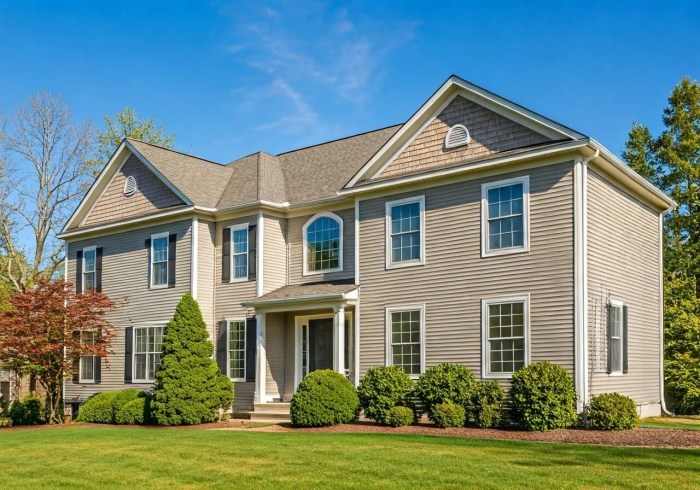
When planning a siding project in Dayton, it's crucial to consider the costs involved to ensure that you stay within budget. Several factors can influence the overall cost of a siding project, including the choice of siding material, installation services, and any additional customization or repairs needed.
Factors Influencing Cost
- The type of siding material chosen will have a significant impact on the overall cost. Vinyl siding tends to be more budget-friendly compared to premium options like fiber cement or wood.
- The size of your home and the amount of siding needed will also affect the cost. Larger homes will require more materials and labor, resulting in a higher total cost.
- The complexity of the installation process, such as the presence of architectural details or obstacles, can increase labor costs.
- If any repairs or preparation work is needed before installing the new siding, these additional services will add to the total cost of the project.
Cost Comparison of Siding Materials
| Siding Material | Average Cost per Square Foot |
|---|---|
| Vinyl | $3
|
| Fiber Cement | $5
|
| Wood | $7
|
| Brick | $8
|
Budgeting Tips for Homeowners
- Get multiple quotes from different siding contractors to compare prices and services offered.
- Consider the long-term maintenance and durability of the siding material to avoid unexpected costs down the road.
- Plan ahead and set aside a contingency fund for any unforeseen expenses that may arise during the project.
- Discuss payment options and financing plans with your contractor to find a payment schedule that works for your budget.
Last Recap
In conclusion, Dayton siding offers a range of options to suit various preferences and budgets. By following best practices and staying on top of maintenance, residents can ensure their siding remains in top condition for years to come. Dive into the world of Dayton siding and discover the possibilities for your property.
Questions and Answers
What are the most common types of siding in Dayton?
The most common types of siding in Dayton include vinyl, wood, fiber cement, and metal.
How do weather conditions in Dayton affect siding maintenance?
Weather conditions in Dayton can impact siding maintenance by causing wear and tear, especially with extreme temperatures and humidity levels.
Why is it important to hire professional contractors for siding installation?
Professional contractors have the expertise and experience to ensure proper and long-lasting siding installation, saving homeowners time and potential issues in the future.