
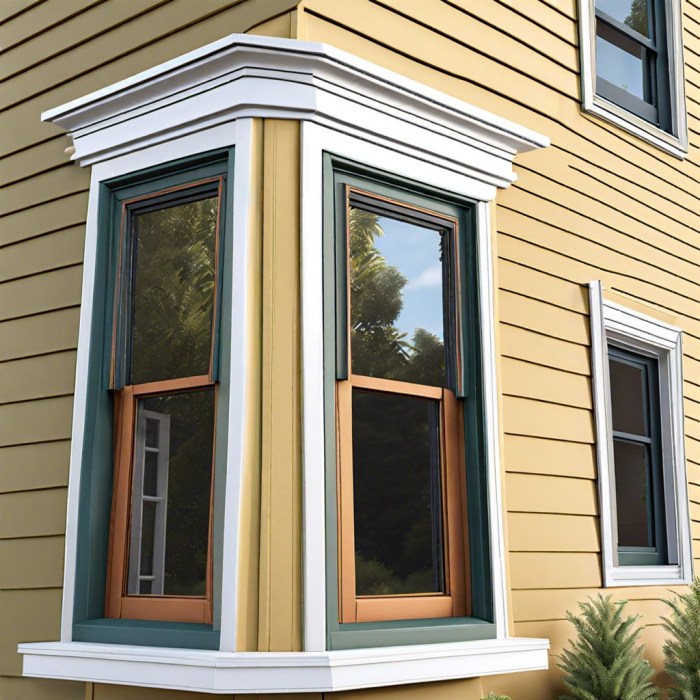
Delving into bay window siding, this introduction immerses readers in a unique and compelling narrative. Bay window siding serves as both a functional and aesthetic addition to any home, offering protection from the elements while adding a touch of style.
From the materials used to the design options available, bay window siding presents homeowners with a range of choices to elevate their property's curb appeal.
Overview of Bay Window Siding
Bay window siding refers to the material used to cover and protect the exterior of bay windows. It serves the purpose of enhancing the appearance of the bay window while providing insulation and protection against the elements.
Benefits of Using Siding for Bay Windows
- Enhanced aesthetics: Bay window siding can improve the overall look of the home, adding curb appeal and increasing property value.
- Weather protection: Siding helps to shield the bay window from rain, wind, and extreme temperatures, prolonging its lifespan.
- Energy efficiency: Insulated siding can help reduce heat loss in winter and keep the interior cool in summer, leading to lower energy bills.
- Low maintenance: Many siding materials are durable and require minimal upkeep, saving time and money in the long run.
Common Materials Used for Bay Window Siding
- Vinyl: Affordable, low-maintenance, and available in various colors and styles.
- Fiber Cement: Durable, fire-resistant, and can mimic the look of wood or other materials.
- Wood: Traditional and versatile, but requires more maintenance to prevent rot and warping.
- Aluminum: Lightweight, resistant to corrosion, and suitable for coastal areas.
Installation Process
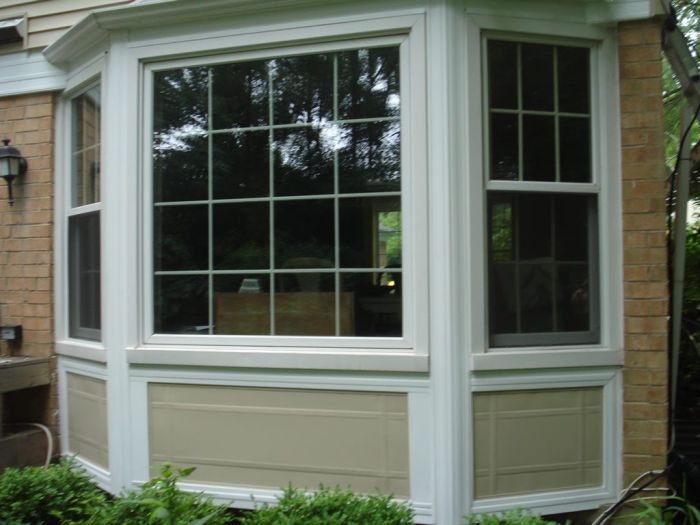
Installing siding on a bay window can be a challenging task, but with the right tools and know-how, it can be done smoothly. Here is a step-by-step guide to help you through the installation process.
Preparation
Before starting the installation, make sure to measure the dimensions of your bay window accurately. This will help you determine how much siding you will need. Additionally, gather all the necessary tools and materials, such as:
- Vinyl siding panels
- J-channel
- Utility knife
- Tin snips
- Level
- Hammer
- Nails
- Caulk
Installation Steps
- Start by installing the J-channel along the bottom of the bay window. This will provide a channel for the siding panels to slide into.
- Measure and cut the siding panels to fit the dimensions of each section of the bay window. Use a utility knife or tin snips for this step.
- Slide the siding panels into the J-channel, starting from the bottom and working your way up. Make sure each panel is level before nailing it into place.
- Overlap the panels slightly to ensure a tight fit and use a level to ensure they are straight.
- Secure the panels with nails, making sure to leave a small gap at the top for expansion and contraction.
- Once all the siding panels are installed, caulk around the edges to seal any gaps and prevent water infiltration.
Tips for Seamless Installation
- Take your time and double-check measurements to avoid mistakes.
- Work carefully to ensure each panel is installed straight and level.
- Use a chalk line to guide your cuts for precise measurements.
- Follow manufacturer instructions for the specific type of siding you are using.
- Consider hiring a professional if you are unsure about any step of the installation process.
Maintenance and Care
When it comes to maintaining and caring for your bay window siding, a few key practices can help keep it looking great and functioning properly for years to come.Regular cleaning is essential to prevent dirt and grime buildup, which can lead to damage over time.
Different types of siding require different cleaning methods to ensure they are effectively cleaned without causing any harm.
Cleaning Methods for Different Types of Siding
- Vinyl Siding: Use a mixture of water and mild detergent to scrub the siding with a soft brush or cloth. Rinse thoroughly with water.
- Wood Siding: Clean with a mixture of water and mild soap, using a brush to scrub gently. Rinse with water and allow to dry completely.
- Fiber Cement Siding: Use a solution of water and mild detergent to clean the siding, avoiding abrasive materials that could damage the surface.
Tips for Preventing Damage and Extending Lifespan
- Inspect the siding regularly for signs of damage, such as cracks, peeling paint, or warping, and address any issues promptly.
- Avoid using harsh chemicals or abrasive tools when cleaning the siding, as this can cause discoloration or damage to the material.
- Trim any overhanging branches or foliage near the siding to prevent scratches or other damage from occurring.
- Consider applying a protective sealant or coating to the siding to help repel moisture and protect it from the elements.
Design and Style Options
When it comes to bay window siding, there are various design and style options to consider. The siding you choose can significantly impact the overall aesthetic of your home, so it's essential to explore different possibilities.
Color Schemes and Finishes
Choosing the right color scheme and finish for your bay window siding can make a big difference in the appearance of your home. Here are some popular options:
- Traditional White: A classic choice that offers a clean and timeless look.
- Neutral Tones: Shades like beige, gray, or taupe can provide a subtle and sophisticated appearance.
- Bold Colors: Opting for a bold color like deep blue, forest green, or even red can add a pop of personality to your home's exterior.
Weather Resistance and Durability
When it comes to bay window siding, weather resistance and durability are crucial factors to consider. The siding needs to withstand various weather conditions and last for years to come.
Types of Siding Materials
- Vinyl Siding: Vinyl is known for its durability and ability to resist moisture, making it a popular choice for bay windows in areas with high humidity or frequent rain.
- Fiber Cement Siding: This type of siding is highly durable and can withstand extreme weather conditions, making it a great option for areas with harsh climates.
- Wood Siding: While wood siding can provide a classic look, it requires more maintenance to ensure its longevity and resistance to weather elements.
- Aluminum Siding: Aluminum siding is lightweight, durable, and resistant to rust, making it a suitable choice for areas prone to high winds or salty air.
Choosing the Right Siding for Your Climate
It's essential to consider the climate of your region when selecting bay window siding. Here are some tips to help you choose the most suitable option:
- For areas with high humidity, consider vinyl or fiber cement siding for their moisture resistance properties.
- In regions with extreme temperature changes, opt for siding materials like fiber cement that can withstand fluctuations without warping or cracking.
- If you live in an area prone to heavy storms or strong winds, aluminum siding may be the best choice due to its durability and resistance to impact.
- For a classic look in a more temperate climate, wood siding can be a good option as long as you are willing to invest in regular maintenance.
Summary
In conclusion, bay window siding is a versatile solution for homeowners looking to enhance their property's exterior. By understanding the installation process, maintenance requirements, and design options, you can make informed decisions to create a visually appealing and durable finish for your bay windows.
Key Questions Answered
What are the benefits of using siding for bay windows?
Bay window siding offers protection from the elements, enhances the aesthetics of your home, and can increase energy efficiency.
How do I clean different types of bay window siding effectively?
For vinyl siding, a mixture of water and mild detergent works well. For wood siding, use a soft brush and mild soap. Always rinse thoroughly.
How can I prevent damage and prolong the lifespan of my bay window siding?
Regular inspections, cleaning, and prompt repairs are key to preventing damage. Avoid using harsh chemicals or abrasive tools that can damage the siding.