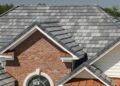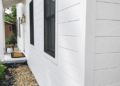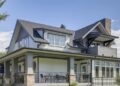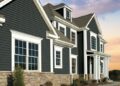

White siding exterior offers a versatile and timeless option for homeowners looking to elevate their property's aesthetics. From enhancing curb appeal to improving energy efficiency, white siding has numerous benefits that make it a popular choice. Let's delve into the world of white siding exteriors and explore the various aspects that make them a standout feature of any home.
As we delve deeper into the details, you will discover the different types of white siding materials available, the installation process, maintenance tips, and creative design ideas to transform your home's exterior.
Benefits of White Siding Exterior
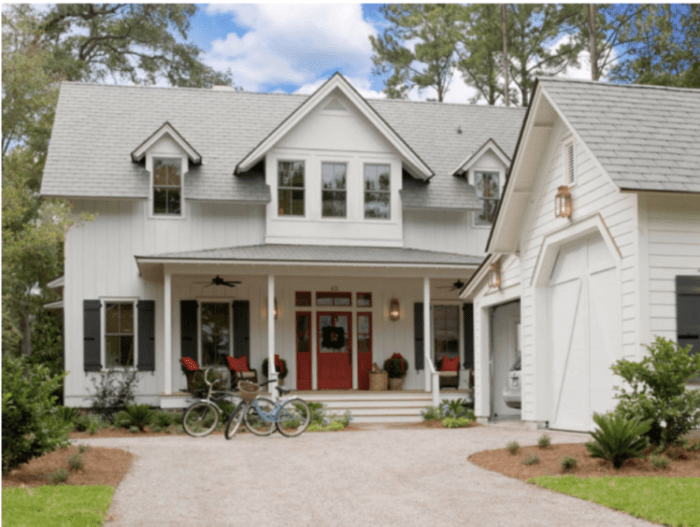
White siding exterior offers numerous advantages for homeowners, ranging from aesthetic appeal to energy efficiency.
Enhanced Curb Appeal
- White siding can give a fresh and clean look to a home, making it stand out in the neighborhood.
- It can complement various architectural styles, from modern to traditional, adding a timeless charm.
- The bright color of white siding can make a house appear larger and more inviting.
Contribution to Energy Efficiency
- White siding reflects sunlight rather than absorbing it, helping to keep the home cooler in warmer climates.
- This reflective property can reduce the need for excessive air conditioning, leading to lower energy bills.
- By minimizing heat absorption, white siding can also contribute to a more comfortable indoor environment during hot seasons.
Types of White Siding Materials
When choosing white siding for your exterior, there are several materials to consider. Each material comes with its own set of characteristics that can impact durability, maintenance requirements, and overall aesthetic appeal.
Vinyl Siding
Vinyl siding is a popular choice for white exteriors due to its affordability and low maintenance. It is durable, resistant to rot and insect damage, and comes in a wide range of styles and textures. However, vinyl siding can fade over time and may not be as visually appealing as other materials.
Fiber Cement Siding
Fiber cement siding is known for its durability and resistance to fire, moisture, and pests. It can mimic the look of wood or stucco while offering low maintenance requirements. Fiber cement siding is heavier than vinyl, making installation more labor-intensive.
Wood Siding
Wood siding provides a classic, natural look that can enhance the charm of a home. Cedar and redwood are popular choices for white siding exteriors due to their natural resistance to decay and insects. However, wood siding requires regular maintenance, including staining or painting to prevent rot and weathering.
Composite Siding
Composite siding combines wood fibers and other materials to create a durable and low-maintenance option for white exteriors. It offers the look of wood without the same susceptibility to rot and insects. Composite siding is available in various colors and styles, including white options for a clean, modern look.
Installation Process for White Siding
When it comes to installing white siding on the exterior of a building, there are specific steps that need to be followed to ensure a smooth and professional finish.
Gather the Necessary Tools and Equipment
- Hammer
- Nails
- Siding panels
- Level
- Tape measure
- Caulk
Prepare the Surface
- Clean the exterior surface thoroughly to remove any dirt or debris.
- Repair any damaged areas on the wall to ensure a flat and even surface for the siding.
Install the White Siding
- Start by attaching a starter strip at the bottom of the wall to provide a base for the siding panels.
- Overlap each siding panel slightly to ensure a tight fit and proper alignment.
- Secure the panels in place using nails and a hammer, making sure they are level and straight.
- Use caulk to seal any gaps or joints between the panels for added protection against moisture.
Finishing Touches
- Trim any excess siding at the ends or around windows and doors for a clean and polished look.
- Inspect the entire installation to make sure everything is secure and properly aligned.
Maintenance and Care of White Siding
Proper maintenance is essential to ensure that your white siding exterior remains in top condition for years to come. By following a regular maintenance schedule and addressing any issues promptly, you can preserve the appearance and structural integrity of your white siding.
Common Issues with White Siding and How to Address Them
White siding may encounter common issues such as mold, mildew, discoloration, or damage from weather elements. To address these problems:
- Regularly inspect your white siding for any signs of mold or mildew. Use a mixture of water and mild detergent to clean affected areas, and rinse thoroughly.
- To prevent discoloration, avoid using harsh chemicals or abrasive cleaning tools. Opt for gentle cleaning solutions and a soft brush or cloth to maintain the color of your white siding.
- If your white siding sustains damage from harsh weather conditions, such as hail or strong winds, repair or replace damaged sections promptly to prevent further issues.
Tips for Cleaning and Preserving the Color of White Siding
Keeping your white siding clean and preserving its color can enhance the curb appeal of your home. Follow these tips:
- Regularly wash your white siding with a garden hose or pressure washer to remove dirt, dust, and debris. Avoid using high-pressure settings to prevent damage to the siding.
- Consider using a specialized cleaner formulated for white siding to maintain its color and shine. Follow the manufacturer's instructions for the best results.
- Inspect your white siding for any signs of discoloration or fading. If necessary, apply a UV-protective coating to prevent damage from the sun's rays and preserve the color of your siding.
Design Ideas for White Siding Exteriors
When it comes to designing with white siding exteriors, there are various styles and elements that can enhance the overall look of your home. Whether you prefer a modern, traditional, or coastal aesthetic, white siding can be a versatile backdrop for different design choices.
Landscaping Enhancements
Landscaping plays a crucial role in complementing the white siding of your home. Here are some ways to enhance the look of your white siding exterior through landscaping:
- Plant colorful flowers and shrubs to add a pop of color against the white backdrop.
- Create a pathway lined with stones or plants to lead the eye towards the entrance of the house.
- Add outdoor lighting fixtures to illuminate the landscaping and highlight the white siding at night.
Accents and Architectural Details
Adding accents and architectural details can elevate the look of white siding exteriors and create visual interest. Consider the following ideas:
- Choose a contrasting trim color, such as navy blue or dark gray, to Artikel windows, doors, and corners.
- Install decorative shutters or window boxes to break up the white siding and add texture to the facade.
- Incorporate architectural elements like columns, gables, or dormers to enhance the overall curb appeal of the home.
Final Review
In conclusion, white siding exteriors not only offer a clean and classic look but also provide practical benefits for homeowners. Whether you're aiming for a modern, traditional, or coastal style, white siding can be a versatile choice to enhance your home's overall appeal.
With the right maintenance and design elements, your white siding exterior can truly stand out and make a lasting impression.
FAQ Resource
What are the benefits of choosing white siding for exteriors?
White siding offers a clean and timeless look, enhances curb appeal, and contributes to energy efficiency in buildings.
What are the common types of white siding materials available?
Common types include vinyl, fiber cement, and wood, each with varying durability and maintenance requirements.
How can I maintain and care for white siding exteriors?
Regular cleaning, addressing common issues promptly, and preserving color through proper maintenance are key for white siding care.
What design ideas can complement white siding exteriors?
Design styles like modern, traditional, or coastal can complement white siding, along with landscaping and accent colors for added visual appeal.