
When it comes to enhancing the exterior of a brick house, siding plays a crucial role in not just aesthetics but also protection. Let's delve into the world of siding on brick houses to understand its significance and various aspects that accompany this architectural feature.
As we navigate through the different types of siding, installation processes, maintenance requirements, and design possibilities, you'll gain a comprehensive view of how siding can transform a brick house.
Introduction to Siding on Brick House
Siding on a brick house refers to the installation of exterior cladding materials on the outer walls of a house that is primarily constructed with bricks. This siding can be made of various materials such as vinyl, wood, fiber cement, or metal.
The purpose of siding on a brick house is to provide additional protection against the elements, improve insulation, enhance the aesthetic appeal, and increase the overall durability of the structure.
Benefits of Having Siding on a Brick House
- Improved Insulation: Siding helps in maintaining a consistent indoor temperature by providing an additional layer of insulation, reducing energy costs for heating and cooling.
- Enhanced Aesthetic Appeal: Siding offers a wide range of colors, textures, and styles to enhance the visual appeal of the brick house, increasing its curb appeal and market value.
- Protection Against Elements: Siding acts as a shield against harsh weather conditions, preventing moisture penetration, UV damage, and other external factors that can deteriorate the brick structure.
- Increased Durability: By adding an extra layer of protection, siding helps in prolonging the lifespan of the brick house, reducing maintenance and repair costs in the long run.
Types of Siding for Brick Houses
When it comes to siding options for brick houses, there are several materials to choose from, each with its own set of advantages and disadvantages. Let's explore some popular choices and compare their pros and cons for brick houses.
Vinyl Siding
Vinyl siding is a popular choice for brick houses due to its affordability and low maintenance requirements. It comes in a variety of colors and styles, allowing homeowners to customize the look of their home. However, vinyl siding may not offer the same level of insulation as other materials, and it can crack or fade over time.
Fiber Cement Siding
Fiber cement siding is another popular option for brick houses. It is durable, fire-resistant, and resistant to rot and insects. Fiber cement siding can mimic the look of wood or stucco, providing a high-end appearance. On the downside, fiber cement siding can be more expensive than other materials, and it may require professional installation.
Wood Siding
Wood siding can add a natural and rustic charm to a brick house. Cedar and redwood are popular choices due to their durability and resistance to rot. However, wood siding requires regular maintenance, such as painting or staining, to prevent decay and insect damage.
It is also prone to warping or splitting over time.
Brick Veneer Siding
For homeowners who want to maintain the look of brick but desire a more cost-effective option, brick veneer siding is a good choice. It is made from thin slices of real brick and can be installed over existing siding materials.
Brick veneer siding provides the appearance of traditional brick without the weight and cost associated with full brick construction.
Stone Veneer Siding
Stone veneer siding offers a luxurious and elegant look for brick houses. It is lightweight and can be installed more easily than traditional stone, making it a practical choice for many homeowners. However, stone veneer siding can be more expensive than other materials, and it may require periodic sealing to maintain its appearance.
Installation Process
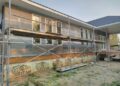
Installing siding on a brick house requires careful planning and execution to ensure a successful outcome. The following steps Artikel the process involved in installing siding on a brick surface and discuss specific considerations for this type of project.
Preparation
- Inspect the brick surface for any damage or areas that may need repair before installing siding.
- Clean the brick thoroughly to remove any dirt, debris, or mold that could affect the adhesion of the siding.
- Apply a moisture barrier to the brick surface to prevent water infiltration and protect the siding from damage.
Installation
- Measure and cut the siding panels to fit the dimensions of the brick house, ensuring a precise and secure fit.
- Secure the siding panels to the brick surface using appropriate fasteners, taking care to follow manufacturer guidelines for spacing and placement.
- Finish the installation by adding trim pieces, corner pieces, and other accessories to complete the look and ensure a seamless transition between the siding and the brick.
Challenges and Considerations
- Brick surfaces may not always be perfectly flat or even, requiring additional steps to ensure the siding is installed correctly and securely.
- Proper ventilation is essential to prevent moisture buildup behind the siding, which can lead to mold growth and other issues.
- Choosing the right type of siding and installation method is crucial to the longevity and durability of the siding on a brick house.
Importance of Proper Installation
- Proper installation techniques ensure that the siding is securely attached to the brick surface, preventing damage or shifting over time.
- Well-installed siding can improve the energy efficiency of a home by providing an additional layer of insulation and protection from the elements.
- Following manufacturer guidelines and best practices for installation helps maintain the warranty on the siding and ensures long-term performance.
Maintenance and Care
Proper maintenance is essential to ensure the longevity and appearance of siding on a brick house. By following some tips and addressing common issues promptly, you can keep your siding in good condition for years to come.
Regular Cleaning
One of the most important maintenance tasks for siding on a brick house is regular cleaning. Use a mild detergent and a soft brush or cloth to remove dirt, dust, and grime. Avoid using harsh chemicals or abrasive materials that can damage the siding.
Inspecting for Damage
Regularly inspect your siding for any signs of damage, such as cracks, chips, or loose panels. Addressing these issues promptly can prevent further damage and extend the lifespan of your siding.
Sealing and Waterproofing
Consider applying a sealant or waterproofing treatment to your siding to protect it from moisture and harsh weather conditions. This can help prevent mold, mildew, and water damage, keeping your siding in good condition.
Repairing and Replacing
If you notice any significant damage to your siding, such as large cracks or missing panels, it may be necessary to repair or replace the affected areas. Consult with a professional to ensure proper installation and matching of materials.
Preventing Pest Infestations
Inspect your siding regularly for any signs of pest infestations, such as insect nests or rodent holes. Taking preventive measures, such as sealing cracks and gaps, can help deter pests from damaging your siding.
Dealing with Efflorescence
If you notice white, powdery deposits on your brick siding, it may be efflorescence. This is caused by salt deposits and can be removed with a mild cleaning solution and a soft brush. Regular cleaning can help prevent efflorescence from recurring.
Design and Aesthetics
When it comes to siding on a brick house, the design and aesthetics play a crucial role in enhancing the overall look of the property. By choosing the right siding options, you can add character, style, and curb appeal to your brick house.
Types of Design Options
- Vertical Siding: Vertical siding can create a modern and sleek look when paired with brick exteriors.
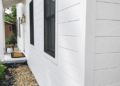
- Horizontal Siding: Horizontal siding offers a more traditional and classic appearance that complements brick houses well.
- Shake or Shingle Siding: Adding shake or shingle siding can bring a rustic and charming vibe to a brick house.
- Board and Batten Siding: Board and batten siding can provide a unique and textured look to the exterior of a brick house.
Enhancing the Overall Look
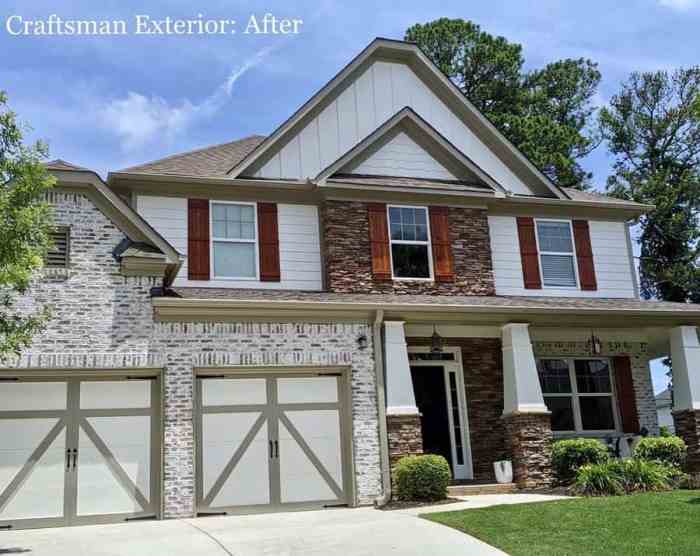
By combining different siding materials, textures, and colors, you can create a visually appealing contrast that highlights the beauty of the brick exterior. Siding can help break up the monotony of a large brick wall and add dimension to the overall design of the house.
Examples of Well-Designed Brick Houses with Siding
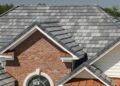
Many well-designed brick houses incorporate siding to add interest and style to their exteriors. For instance, a brick house with vertical metal siding can achieve a contemporary and industrial look, while a brick house with wood shake siding can exude a warm and inviting feel.
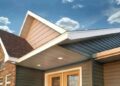
Additionally, mixing different siding materials such as stone, stucco, or vinyl can further enhance the aesthetic appeal of a brick house.
Epilogue
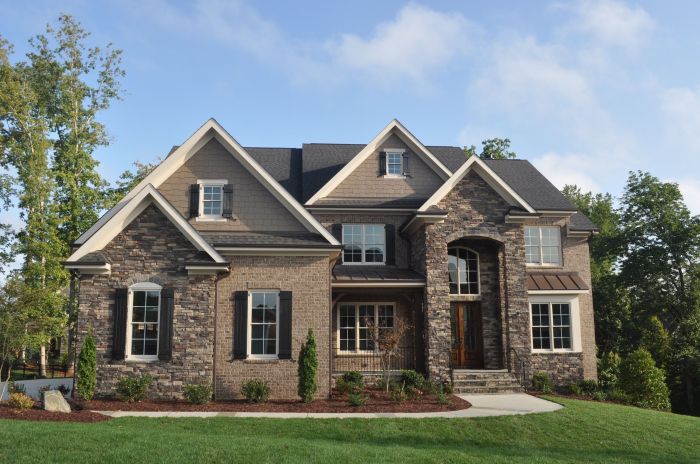
In conclusion, siding on brick houses serves as a versatile element that offers benefits beyond just visual appeal. By choosing the right siding material and design, homeowners can elevate the look and durability of their brick exteriors. Dive into the world of siding on brick houses and unlock the potential to create a stunning facade that stands the test of time.
Answers to Common Questions
What are the advantages of siding on a brick house?
Siding provides an additional layer of protection against the elements, improves insulation, and enhances the overall appearance of a brick house.
How do you maintain siding on a brick house?
Regularly clean siding to prevent dirt buildup, inspect for any damage or mold, and consider repainting or sealing as needed to maintain its integrity.
Can any type of siding be used on a brick house?
While various siding materials can be used, it's essential to choose one that complements the existing brickwork and provides the desired aesthetic appeal.